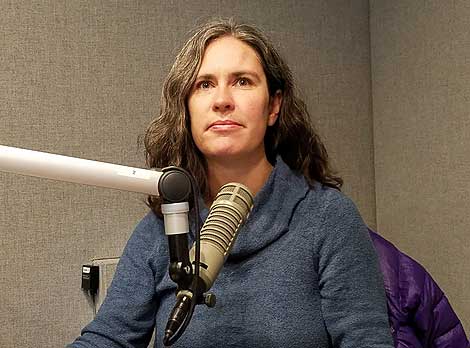
Thanks to N.C. Policy Watch for helping us get the word out about our ambitious new project, Racist Roots. They recently interviewed Kristin Collins, CDPL’s associate director of public information, about how Racist Roots came to be and what it’s all about. Please listen to this 15-minute interview to understand why this project means so much to us.
Thank you to CDPL’s 2020 Osborn Award Sponsors
Our Virtual Osborn Award celebration for Tye Hunter is October 15 at 7 p.m. GO HERE to watch. Though we cannot gather in person this year, we still want to celebrate Tye’s career and our movement’s many victories this year. And we still need your support to keep up the fight for a more humane world without the death penalty.
Below are the generous people who are sponsoring this year’s event. It’s not too late to add your name to this list. Go here to donate and include Osborn Award in the notes.
CHAMPIONS ($1000)
Donald Beskind & Wendy Robineau
Burton Craige
Jay & Kay Ferguson
Jon & Becky Megerian
Ken Rose & Beth Silberman
Beth & Tom Sallenger
Faith Spencer & Mark Parts
Adam & Jane Stein
Mary Ann Tally
Buddy & Lisa Conner
Anonymous
DEFENDERS ($500)
James Exum
Glenn, Mills, Fisher & Mahoney, PA
Wanda Hunter
Law Office of Kathleen M. Joyce
Robert Mahler
Marcia H. Morey
Christine Mumma
Racial Equity Institute
Susan and David Shipman
Andrew Short & Andrea Vizoso
Jacob Sussman
Amos Tyndall
Gay Wells & Family in memory of Frank Wells
ADVOCATES ($250)
Cindy Adcock & Pat McCoy
Akin Adepoju
David Botchin
Ken & Margie Broun
Buzzard Law Firm
Judy & Winston Charles
Andrew DeSimone
Cait Fenhagen & John Carlson
Karen Demby
Fred & Alana Friedman
Terrica Redfield Ganzy
Shirley Geissinger
Dionne Gonder-Stanley
Elaine M. Gordon & Robert M. Hurley
Sandra Hagood
Pricey Harrison
Henderson & Renee Hill
Linda Hudgins
Staples & Tamsie Hughes
Mark Kleinschmidt
Hunter Labovitz
Douglas Legg & Nina Goldman
Pascale & Nathaniel Mackey
David Mills
Janet Moore & Neil Tollas
Pat & Polly Morgan
Robert Mosteller & Elizabeth Gibson
North Carolina Justice Center
Kristin Parks
W. James Payne Law Firm
Rich Rosen & Becky Slifken
Steve Schewel & Lao Rubert
Helen & Fred Spielman
Mark Towler
Jenny Warburg
Gregory Weeks
James E. Williams Jr.
Gordon Worley
Julian Wright
SUPPORTERS & FRIENDS
Catherine Grosso & Stephen Gasteyer
Gaylen Brubaker
Jack & Jennifer Boger
Eugene & Signe Brown
Danielle Carman & Jeff Conners
Linda DeJongh
Hon. Patricia Devine
Richard Dieter
Mark Edwards
Betsy Fenhagen
Janet Flowers
Glenn Gerding
Alyson Grine & Karen Stegman
Meg & Allen Hart
Henry Lister
Ann Mack
Noel Nickle
Marilyn Ozer
Mark Rabil
Kara Richards
Cas Shearin & DeVon Tolson
Susan J. Weigand
Humza Hussain
Deborah & Steve MacDonald
Deborah Miller
Marshall Dayan
Susan E. Brooks
John Forbush
Jean Parks
Vincent Rabil
Rachel Ruderman
Ben Serrurier
Robert E. Seymour, Jr.
Robert & Jessica Singagliese
Nelson & Libby Smith
Eugenia Upchurch
Kimberly Stevens
Jenny & Terry Alford
Etta Blankenship
Emily Baxter
Jonathan & Joal Broun
Kelley Hunter & Joe Hunt
Susannah Hunter
Johanna Jennings
Mollie Lee
Anna Richards & LeRoi Brashears
Cassandra Stubbs
Brian Stull & Sejal Zota
Kimberly Talikoff
Robert Trenkle
Beth Winston
Jan Dodds
Bob and Kim Fuller
Marian Jensen
Sara Switek
Linda Weisel and Daniel Pollitt
Marilyn Worth
Penelope Maunsell Nye
‘Racist Roots’ finds a modern death penalty deeply entangled with North Carolina’s history of racism
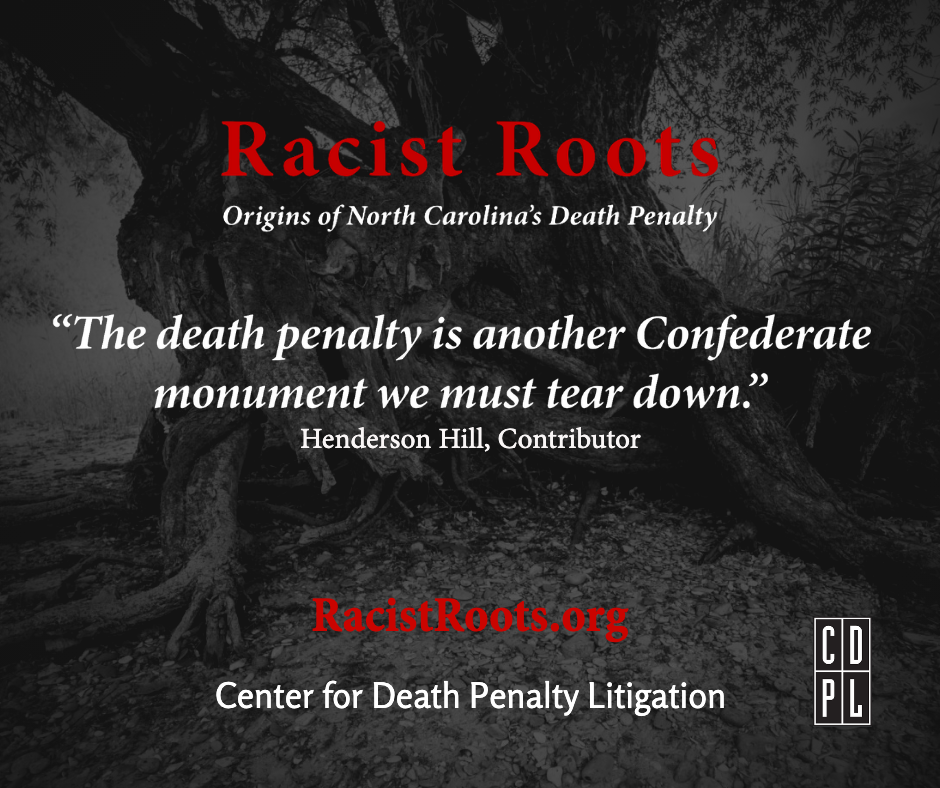
In October 2020, the Center for Death Penalty Litigation, in collaboration with scholars, advocates, artists, historians, poets, and people directly affected by the death penalty, launched Racist Roots: Origins of North Carolina’s Death Penalty.
The project includes essays, poetry, artwork, commentary, and historical documents that place the state’s death penalty in the context of 400 years of history and expose its deep entanglement with slavery, lynching, Jim Crow, and modern systemic racism. The death penalty, the project contends, is another Confederate monument that North Carolina must tear down. [Read the essay that sums up this project.]
“The death penalty began as a way to enforce a racist social order, and as it evolved through the generations, our state never addressed the original sin that lay at its root,” CDPL Executive Director Gretchen Engel said. “Today, the death penalty is the apex of a racist criminal punishment system that cages hundreds of thousands of people and declares human lives, particularly those of Black people, expendable. The clear message of this project is: Any meaningful conversation about race and criminal justice in North Carolina must include the death penalty.”
Racist Roots shows that in every incarnation, from slavery to post-Civil War Reconstruction, to Jim Crow, and to the modern criminal punishment system, those wielding the death penalty have imposed it disproportionately on Black people; valued the lives of white victims above all others; and excluded citizens of color from power by systematically excluding them from capital juries. So, while the precise influence of racism in the death penalty has changed from era to era, its essential nature has not.
Today, people of color make up less than 30 percent of North Carolina’s population but 60 percent of its death row. Black defendants are far more likely to be wrongly convicted; eight out of ten of North Carolina’s death row exonerees are Black and a ninth is Latino. Nearly half of the people on death row had an all-white jury or a jury with only a single person of color. Qualified Black jurors are two and a half times more likely than whites to be struck from capital juries. Defendants are twice as likely to be sentenced to death if they’re accused of killing a white person, rather than a person of color.
The project details the cases of some of North Carolina’s nearly 140 current death row prisoners to expose racism’s continuing influence. For example, Andrew Ramseur was sentenced to death in 2010 amid a racist public outcry comparing him to a “monkey” and demanding he be hung “from the nearest traffic light as a warning to the rest.” Rather than condemning bigotry, the district attorney promised — and successfully sought — a quick death sentence.
For essays, photography, video and more, go to RACISTROOTS.ORG.
Watch the Racist Roots film released in 2022 here.
New project finds a modern death penalty deeply entangled with N.C.’s history of racism
For More Information Contact:
Gretchen Engel, CDPL Executive Director – gretchen@cdpl.org 919-682-3983
Henderson Hill, ACLU Capital Punishment Project Senior Counsel – HHill@aclu.org 704-502-1145
Durham, NC — On Monday, the Center for Death Penalty Litigation, in collaboration with scholars, advocates, artists, historians, poets, and people directly affected by the death penalty, launched a new online project, Racist Roots: Origins of North Carolina’s Death Penalty.
The project includes essays, poetry, artwork, commentary, and historical documents that place the state’s death penalty in the context of 400 years of history and expose its deep entanglement with slavery, lynching, Jim Crow, and modern systemic racism. The death penalty, the project contends, is another Confederate monument that North Carolina must tear down. [Read the essay that sums up this project.]
“The death penalty began as a way to enforce a racist social order, and as it evolved through the generations, our state never addressed the original sin that lay at its root,” said CDPL Executive Director Gretchen Engel. “Today, the death penalty is the apex of a racist criminal punishment system that cages hundreds of thousands of people and declares human lives, particularly those of Black people, expendable. The clear message of this project is: Any meaningful conversation about race and criminal justice in North Carolina must include the death penalty.”
Engel continued, “In light of all that this project reveals, we call on the North Carolina Task Force for Racial Equity in Criminal Justice to undertake serious study of the North Carolina death penalty and recommend its repeal.”
Racist Roots shows that in every incarnation, from slavery to post-Civil War Reconstruction, to Jim Crow, and to the modern criminal punishment system, those wielding the death penalty have imposed it disproportionately on Black people; valued the lives of white victims above all others; and excluded citizens of color from power by systematically excluding them from capital juries. So, while the precise influence of racism in the death penalty has changed from era to era, its essential nature has not.
Today, people of color make up less than 30 percent of North Carolina’s population but 60 percent of its death row. Black defendants are far more likely to be wrongly convicted; eight out of ten of North Carolina’s death row exonerees are Black and a ninth is Latino. Nearly half of the people on death row had an all-white jury or a jury with only a single person of color. Qualified Black jurors are two and a half times more likely than whites to be struck from capital juries. Defendants are twice as likely to be sentenced to death if they’re accused of killing a white person, rather than a person of color.
The project details the cases of some of North Carolina’s nearly 140 current death row prisoners to expose racism’s continuing influence. For example, Andrew Ramseur was sentenced to death in 2010 amid a racist public outcry comparing him to a “monkey” and demanding he be hung “from the nearest traffic light as a warning to the rest.” Rather than condemning bigotry, the district attorney promised — and successfully sought — a quick death sentence.
“It’s stunning to read these case studies. Proof positive that the modern death penalty continues the shameful legacy of racialized violence by the state,” said Henderson Hill, Senior Counsel at the ACLU Capital Punishment Project and member of the N.C. Task Force for Racial Equity in Criminal Justice. “We see Black and Latino men quickly condemned by all-white juries organized by prosecutors too often willing to use racist tropes to recall the jury’s traditional duty to protect the white citizenry. In several cases, jurors openly admitted their bigotry and their desire for the lynchings of Black men.”
Hill wrote the introduction to the project, in which he says: “As we begin a long-overdue conversation about the future of police and prisons, we must confront the punishment that sits at the top of that system, condoning all its other cruelties — the death penalty.”
The project also includes an original poem by nationally-lauded poet and writer Clint Smith and artwork by Durham artist Kimberley Pierce Cartwright. Other contributors include:
Author and historian Tim Tyson writes: “White skin has always been a badge of authority to destroy Black bodies. In North Carolina, white people have exerted that authority not just through police brutality, but through mob violence, lynching, and the death penalty.”
UNC historian Seth Kotch, whose book Lethal State details the history of the N.C. death penalty, says the death penalty and lynching were not opposing forces, but two ways of achieving the same aim. “The reality of history is that both answered the same demands and reacted to the same fears.”
African American death row prisoner Paul Brown writes about the experience of being sentenced to death by an all-white jury. “I saw [the prosecutor’s] shoulders relax as each prospective juror of color left the courtroom.”
Emancipate NC Executive Director Dawn Blagrove writes that Black women have always been the heart of movements for racial justice, including the fight to end the death penalty. “Harriet Tubman led us to freedom. Ida B. Wells exposed the barbarism of lynching. Fannie Lou Hamer led us to political power. Not because of esoteric principle or moral dilemma, but out of necessity.”
Andre Smith, whose son was murdered in Raleigh, says the death penalty is another way that society throws away Black lives. He calls for compassion and mentoring for those who have committed crimes. “This is how we change the world. Not by taking someone’s life.”
Miriam Krinsky and Liz Komar, two former prosecutors, now in leadership roles at Fair and Just Prosecution, write that their pursuit of a more racially just criminal system must leave the death penalty behind. “We both became prosecutors out of a deep desire to do justice and make our communities safer — and we’ve concluded that the death penalty is incompatible with both.”
Sherrilyn Ifill and Jin Hee Lee, of the NAACP Legal Defense and Educational Fund, one of the nation’s premier civil rights law firms, speak to the ways in which North Carolina could become a national leader in addressing racism in its courts. Based on recent N.C. Supreme Court decisions on the Racial Justice Act, they say, “this southern state might serve as an example for the rest of the nation to follow.”
Racist Roots is the result of more than a year of research, writing, and collaboration. It relies on scholarly writings, as well as historical documents and newspaper accounts, and CDPL’s deep knowledge of North Carolina death penalty cases.
“When we started this project, we knew that the death penalty was racist. We’ve seen how it produces disparate outcomes, how it’s used to threaten vulnerable people into confessing to crimes, how it’s carried out in courtrooms where every person wielding power is white,” Engel said.
“But we didn’t realize until we undertook deep research just how closely tied the modern death penalty is to our state’s history of violent white supremacy. The death penalty is a tool of the lynch mob and, no matter how much tinkering we do, it cannot be fixed. The only solution is to end it.”
Four Racial Justice Act defendants are finally freed from racist death sentences
Four clients represented by a team of litigators, including several CDPL attorneys, have now been resentenced to life without parole after the N.C. Supreme Court ruled that they were unconstitutionally returned to death row despite proving that racism polluted their trials and people of color were systematically excluded from the juries that sentenced them to death.
Christina Walters, Quintel Augustine, Marcus Robinson, and Tilmon Golphin were removed from death row thanks to successful claims filed under the Racial Justice Act, a 2009 law that allowed people on death row to bring forward evidence that race played a role in their trials in sentences.
The Racial Justice Act led to a statewide study showing that, in capital trials, prosecutors dismissed Black citizens at 2.5 times the rate they excluded whites. This disparity was driven entirely by race and could not be attributed to any other factor, such as death penalty views. It also found that crimes with white victims were twice as likely to be punished with death.
Walters, Augustine, Robinson, and Golphin were the only four death row prisoners to have Racial Justice Act hearings before the law was repealed in 2013. All four won their cases, using the study to show a pattern of race discrimination in North Carolina capital cases. They also unearthed prosecutors’ notes referring to jurors with denigrating terms like “blk wino,” and training materials showing that their prosecutors had been instructed on how to invent “race-neutral” reasons to justify their strikes of Black jurors.
In 2012, Cumberland County Superior Court Judge Gregory Weeks resentenced all four to life without parole after finding a “wealth of evidence” that systemic exclusion of Black jurors had tainted their death sentences. However, after the repeal of the Racial Justice Act, the N.C. Supreme Court overturned Weeks’ ruling on procedural grounds, saying the hearings should have been held separately rather than jointly and that prosecutors should have had more time to prepare their case, even though the trial court had already given the state two continuances. The court ordered new RJA hearings for the four defendants, and in a legally questionable move, the N.C. Department of Public Safety quickly returned them to death row.
Now, the Supreme Court has ruled that the reinstatement of their death sentences was unconstitutional and has restored life sentences for all four. The decision was based on the state constitution and cannot be appealed.
In a separate ruling, the court also said that all North Carolina death row prisoners who filed RJA claims before the law’s 2013 repeal are entitled to hearings where they can present evidence that prosecutors purposefully excluded African American citizens from their juries and that racism tainted their trials. CDPL continues to litigate those cases.
N.C. Supreme Court once again recognizes pervasive evidence of racism in North Carolina’s death penalty
September 25, 2020
For More Information Contact:
David Weiss, CDPL Senior Staff Attorney, 919-593-7790, dcweiss@cdpl.org
Raleigh, NC — Three death row prisoners were resentenced to life without parole Friday after the N.C. Supreme Court ruled that they had been unconstitutionally returned to death row after receiving life sentences under the state’s Racial Justice Act.
Christina Walters, Quintel Augustine, and Tilmon Golphin will be removed from death row because they proved that race was a significant factor in their sentences. The decisions in their cases are based on the state constitution and cannot be appealed.
Friday’s decisions marked the final rulings in a series by the state Supreme Court, which affirmed that rights granted under the 2009 Racial Justice Act had been wrongly taken away from death-sentenced people who have brought forward evidence of racial discrimination in their trials and sentences.
“We are grateful to the court for upholding the law that says a person cannot be sentenced to death twice for the same crime,” said CDPL Senior Staff Attorney David Weiss. “Our clients proved that race was a major factor in their death sentences. Their evidence has never been disputed, and they never should have been sent back to death row.”
The North Carolina legislature passed the Racial Justice Act in 2009. It led to a statewide study showing that, in capital trials, prosecutors dismissed Black citizens at 2.5 times the rate they excluded whites. This disparity was driven entirely by race and could not be attributed to any other factor, such as death penalty views. It also found that crimes with white victims were twice as likely to be punished with death.
Walters, Augustine, and Golphin — along with Marcus Robinson, who was resentenced to life in August — were the only four death row prisoners to have Racial Justice Act hearings before the law was repealed in 2013. All four won their cases, using the study to show a pattern of race discrimination in North Carolina capital cases. The defendants also unearthed prosecutors’ notes referring to jurors with denigrating terms like “blk wino,” and training materials showing that their prosecutors had been instructed on how to invent “race-neutral” reasons to justify their strikes of Black jurors.
In 2012, Cumberland County Superior Court Judge Gregory Weeks resentenced all four to life without parole after finding a “wealth of evidence” that systemic exclusion of Black jurors had tainted their death sentences. However, after the repeal of the Racial Justice Act, the N.C. Supreme Court overturned Weeks’ ruling on procedural grounds, saying the hearings should have been held separately rather than jointly and that prosecutors should have had more time to prepare their case, even though the trial court had already given the state two continuances. The court ordered new RJA hearings for the four defendants, and in a legally questionable move, the N.C. Department of Public Safety quickly returned them to death row.
Now, the Supreme Court has ruled that the reinstatement of their death sentences was unconstitutional and has restored life sentences for all four.
In a separate ruling in June, the court also said that all North Carolina death row prisoners who filed RJA claims before the law’s 2013 repeal are entitled to hearings where they can present evidence that prosecutors purposefully excluded African American citizens from their juries and that racism tainted their trials. The courts have not yet decided how those cases will proceed.
“The court has again affirmed what we already knew,” Weiss said. “The Racial Justice Act was a necessary law that revealed an epidemic of racism in death penalty cases. We cannot sweep that evidence under the rug. And we certainly cannot execute people who’ve proven that racism played a part in their sentences.”
Tye Hunter wins CDPL’s 2020 J. Kirk Osborn Award
WATCH THE AWARD PRESENTATION ON YOUTUBE (Thursday, October 15 at 7 p.m.)
SEE OUR SPONSORS
CDPL is proud to announce that Malcolm “Tye” Hunter is the winner of this year’s J. Kirk Osborn Award for outstanding leadership in capital defense. This year’s ceremony honoring Tye will be at 7 p.m. on Thursday, October 15. The event is online. Simply go to cdpl.org and follow the link on our homepage to join us in celebrating Tye’s good work.
Though we can’t be together in person, we’ve done our best to make this an engaging event that reminds our community of the power and importance of capital defense work. There will be an appearance by a nationally known capital defense leader, as well as a moving musical performance. You don’t have to register, but we hope you will donate to CDPL’s work.
Suggested donation levels are:
Champion: $1,000
Defender: $500
Advocate: $250
Supporter: $75
We welcome donations of any amount, either in advance or during the event.
DONATE NOW
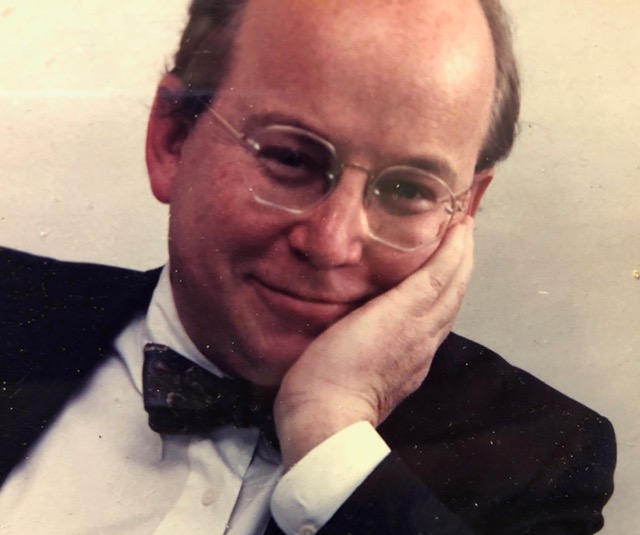
Tye Hunter: A career fighting the death penalty
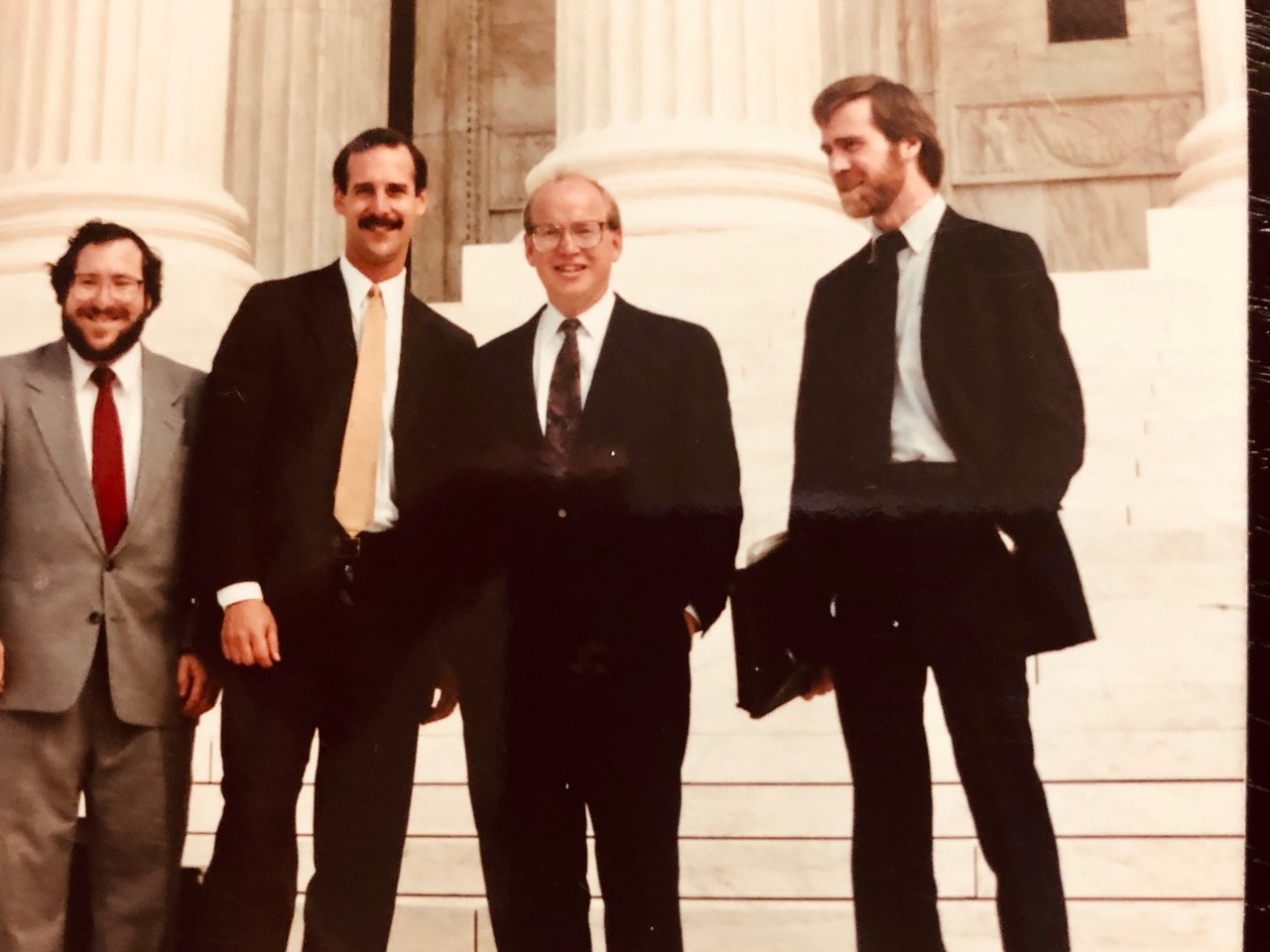
Tye has devoted four decades to advancing indigent defense and fighting the death penalty. Tye worked as an assistant public defender in Fayetteville and then came to the Appellate Defender’s Office. He was the second director of OAD and while serving in that leadership role, he represented dozens of capital cases, winning new trials and new sentencing hearings for many. Tye appeared before the U.S. Supreme Court in McKoy v. North Carolina. Tye’s victory in this single case resulted in relief for nearly 50 men and women who had received unconstitutional death sentences.
Tye was the first director of the N.C. Office of Indigent Defense Services and created the infrastructure that ensured qualified counsel, supported capital defense teams, and, not surprisingly, saw a dramatic drop in the number of death sentences returned in our state.
Tye next served as CDPL’s executive director from 2009 to 2013. He shepherded the office during the early years of the Racial Justice Act litigation. Tye was personally part of the RJA team that won relief for Marcus Robinson and three other Cumberland County capital defendants following two evidentiary hearings under the RJA. During those hearings, Tye’s fierce advocacy and famous wit were on full display and contributed greatly to these enormous victories.
Tye continued to represent death-sentenced clients after leaving CDPL, including Rayford Burke, another RJA client. Tye’s oral argument in the N.C. Supreme Court was a model of appellate advocacy and this past June, the court granted relief to Mr. Burke.
The J. Kirk Osborn Award
J. Kirk Osborn was one of the giants of the capital defense community. Kirk defended more than a dozen capital cases and never had a client sentenced to death. His advocacy and deep compassion for his clients saved many lives, and inspired other attorneys to follow in his footsteps. Each year, the Center for Death Penalty Litigation honors Kirk’s legacy by presenting the J. Kirk Osborn Award for lifelong zealous advocacy, compassion for indigent men and women facing the death penalty, and leadership among capital defense attorneys.
N.C. Supreme Court decision says Racial Justice Act is key to ending death penalty racism
August 14, 2020
For More Information Contact:
Gretchen Engel, CDPL Executive Director – gretchen@cdpl.org 919-682-3983
Henderson Hill, ACLU Capital Punishment Project Attorney – HHill@aclu.org 704-502-1145
Raleigh, NC — On Friday, the North Carolina Supreme Court issued a historic call for the state to address and rise above its history of excluding Black citizens from jury service and allowing racial bias to seep into the prosecution of capital cases. In the majority opinion, Chief Justice Cheri Beasley wrote, “equal protection to all must be given—not merely promised” and pointed to an “egregious legacy of the racially discriminatory application” of the death penalty.
The 4-3 ruling came in the case of Marcus Robinson, the first death row prisoner to be resentenced to life without parole under North Carolina’s Racial Justice Act. The court found that Robinson had been unconstitutionally returned to death row, despite unrefuted proof that Black jurors were intentionally denied the right to serve on his jury. The court ruled that Robinson cannot be executed, but may serve a life sentence instead, because of the “overwhelming evidence” of racial bias presented in his case.
“Robinson’s claims under the RJA do not negate or diminish his guilt or the impact of his crimes on the victim’s family, the victim’s friends, and the community,” Chief Justice Cheri Beasley wrote. “Rather, the Act ensured that even those who commit the most serious offenses are entitled to a trial and sentencing free from racial discrimination.”
Read the full decision here.
“This is one of the most important decisions I’ve ever seen from our state Supreme Court,” said CDPL Executive Director Gretchen Engel. “It seems that Justice Beasley and her colleagues intend to make good on the promise that no person should be executed if race was a factor in their death sentence. This is a critical issue of racial justice, both for people on death row and for African Americans seeking to participate in our democracy. It’s heartening to see the court recognizing that fact, in all its difficulty and complexity, and taking bold action.”
The decision marked the second time in three months that the state Supreme Court forcefully rejected a legislative effort to void the Racial Justice Act and bury the evidence of racially-biased death sentences that the law revealed. In June, the court ruled that all death row prisoners who filed claims under the Racial Justice Act are entitled to hearings, even though the law was repealed in 2013.
Friday’s decision, in addition to finding clear evidence of discrimination against African American jurors in Robinson’s case, recognized the connection between modern jury selection practices and the centuries-long history of racism in America. It chronicled “the many ways African Americans have struggled to participate in our democratic processes,” beginning with post-Civil War laws explicitly barring Black people from jury service and then morphing into Jim Crow-era poll taxes and literacy tests. It described the modern peremptory strike as the newest tactic used to remove qualified Black citizens from juries.
The court made a strong case for the Racial Justice Act’s necessity, saying it was passed in response to the failure of North Carolina courts to enforce federal standards barring racially motivated jury strikes. “The goal of this historic legislation was simple: to abolish racial discrimination from capital sentencing. That is, to ensure that no person in this state is put to death because of the color of their skin,” Beasley wrote.
The North Carolina legislature passed the Racial Justice Act in 2009. It led to a statewide study showing that, in capital trials, prosecutors dismissed Black citizens at 2.5 times the rate they excluded whites. This disparity was driven entirely by race and could not be attributed to any other factor, such as death penalty views.
Robinson, along with Quintel Augustine, Tilmon Golphin, and Christina Walters, were the only four death row prisoners to have Racial Justice Act hearings before the law was repealed in 2013. All four defendants won their cases, using the study to show a pattern of discrimination that denied them the right to a jury of their peers. In addition to the study, the defendants unearthed prosecutors’ notes referring to jurors with denigrating terms like “blk wino,” and training materials showing that their prosecutors had been instructed on how to invent “race-neutral” reasons to justify their strikes of Black jurors.
In 2012, Cumberland County Superior Court Judge Gregory A. Weeks resentenced all four to life without parole after finding a “wealth of evidence” that systemic exclusion of Black jurors had tainted their death sentences. Friday’s decision recognized that Weeks’ findings were “meticulously detailed.” However, over the next few years, though their evidence of racial bias was never disproven, they were again placed at risk of execution.
After the repeal of the Racial Justice Act, the N.C. Supreme Court overturned Weeks’ ruling on procedural grounds, saying the hearings should have been held separately rather than jointly and that prosecutors should have had more time to prepare their case, even though the trial court had already given the state two continuances. The court ordered new RJA hearings for the four defendants, and in a legally questionable move, the N.C. Department of Public Safety quickly returned them to death row.
Then, when they requested the hearings the Supreme Court had ordered, a Superior Court judge refused to hold them, saying that the defendants were no longer entitled to hearings because the law had been repealed. All four appealed to the state Supreme Court, but the court has not yet decided the cases of Augustine, Golphin and Walters.
“Our clients ended up in the ultimate Catch-22,” Engel said. “They had clear proof of racism that they presented under a valid law. Then, the state Supreme Court asked them to present the evidence again. When they tried to do that, the state said, ‘Sorry, too late. The law no longer exists.’ Today, this Supreme Court, under the strong leadership of Chief Justice Beasley, said that North Carolina must stop playing games with justice and start looking at the big picture, which clearly shows that our death penalty is racist.”
Advocates said they believe the evidence of racial bias in capital prosecutions, uncovered as a result of the Racial Justice Act, raises serious questions about the legitimacy of North Carolina’s death penalty.
“It’s unthinkable that we could amass a mountain of evidence showing that race plays a role in the North Carolina death penalty and then just ignore it and return to executing people,” said Henderson Hill, an ACLU attorney who is part of the Racial Justice Act litigation. “Today, the high court declared that it’s unacceptable for North Carolina to keep its head in the sand, and we are grateful. It is time for everyone in North Carolina to ask themselves, after decades of racially-biased prosecutions, whether the state should still have the right to carry out executions.”
Landmark N.C. Supreme Court ruling brings death penalty racism into spotlight
June 5, 2020
FOR MORE INFORMATION CONTACT:
Henderson Hill, ACLU Capital Punishment Project Attorney – hhill@aclu.org 704-502-1145
Donald Beskind, Attorney and Duke Law Professor – beskind@law.duke.edu 919-612-3955
Gretchen Engel, CDPL Executive Director – gretchen@cdpl.org 919-682-3983
Raleigh, NC — The North Carolina Supreme Court today issued two landmark civil rights rulings on the Racial Justice Act, clearing the way for a much-needed review of racial discrimination in death penalty cases across the state.
The court decided 6-1 Friday that Rayford Burke and Andrew Ramseur, prisoners on North Carolina’s death row, were entitled to hearings where they can present evidence that prosecutors purposefully excluded African American citizens from their juries and that racism tainted their trials. The rulings also mean that death row prisoners across North Carolina who filed claims under the N.C. Racial Justice Act before its repeal in 2013 are entitled to present their evidence in court. The justices decided the case under the state constitution, so it cannot be appealed. [Read the full decisions: Ramseur and Burke.]
“This is a momentous decision that sends a clear message: Our state’s highest court will not allow North Carolina to ignore evidence that racism has infected the death penalty,” said CDPL Executive Director Gretchen M. Engel. “This was also an urgently needed decision as our state and our nation confront a long history of racism. The death penalty is the apex of a criminal legal system that has failed people of color.”
The court has not yet decided the cases of four other RJA defendants, Marcus Robinson, Quintel Augustine, Christina Walters, and Tilmon Golphin, who initially won their cases but saw them overturned on appeal.
The ruling comes just days after Chief Justice Cheri Beasley responded to protests against police violence with a candid admission that North Carolina’s courts have helped perpetuate racial disparities. “We must come together to firmly and loudly commit to the declaration that all people are created equal, and we must do more than just speak that truth,” Beasley said. “We must live it every day in our courtrooms.”
Justice Anita Earls authored the decision, and affirmed that it was about more than two individual defendants. She wrote that “the harm from racial discrimination in criminal cases is not limited to an individual defendant, but rather it undermines the integrity of our judicial system and extends to society as a whole.”
At oral arguments in August, Burke and Ramseur presented stark evidence. Both are black men convicted by all-white juries in Iredell County. Prosecutors at Burke’s trial referred to him during closing arguments as a “big black bull.” Ramseur’s trial was shadowed by widespread threats of lynching, and the judge and sheriff forced his family to sit in the back of the courtroom while the white family of the victim sat in front.
“This decision is built on basic fairness,” said Don Beskind, a Durham attorney and Duke Law professor involved in the litigation. “The evidence in these death penalty cases was stark and undeniable. The very least we can do is allow it to be heard in court. Even our most conservative U.S. Supreme Court justices, most recently Justice Kavanaugh, have said that race discrimination in jury selection is a serious long-standing problem that courts must address.”
Burke and Ramseur, like most of the people on North Carolina’s death row, first presented this evidence shortly after the N.C. legislature created the Racial Justice Act, which allowed death-sentenced people to bring forward evidence of racism in their trials. Those who could prove that race was a significant factor in their sentences would be resentenced to life in prison without parole. The law’s passage marked the first time a death penalty state allowed for a systematic review of racial bias in capital cases.
A statistical study commissioned as a result of the RJA found overwhelming evidence that, in scores of North Carolina capital cases over two decades, prosecutors illegally struck black jurors because of their race. And death row prisoners across North Carolina unearthed disturbing evidence of racism in their trials that had never before been examined by the courts.
However, in 2013, after the first four RJA defendants won their cases, a new legislature repealed the RJA. This same legislature was found by the U.S. Supreme Court to have enacted racially discriminatory voting laws. The RJA repeal legislation sought to invalidate all pending cases and prevent any court review of the evidence of bias that was uncovered. In its decision today, the Supreme Court rejected that gambit, saying that the evidence of rampant discrimination against black North Carolinians was too troubling to ignore.
Friday’s ruling was based on the precedent of State v. Keith, an 1869 case in which the N.C. Supreme Court ruled that a Confederate soldier charged with war crimes was protected by a post-Civil War amnesty law and could not be prosecuted, even though the amnesty law had since been repealed. The death row prisoners argued that if the Constitution protects Confederate war criminals, it must also protect their right to present evidence of race discrimination against black jurors even after the repeal of the Racial Justice Act.
“In light of decades, if not centuries, of mistreatment and brutalization of black citizens at the hands of America’s criminal system, today’s decision to take the death penalty off the table when there is evidence of racial bias is just one small but important step toward achieving the broad-based reform needed in North Carolina, and across the country,” said Henderson Hill, a prominent ACLU attorney who represents RJA defendants. “It’s something to celebrate, but also a reminder that we must keep working for justice.”
ADDITIONAL BACKGROUND:
- Go here for more detail on the Racial Justice Act.
- Read Bryan Stevenson’s op-ed on the importance of the Racial Justice Act.
As we grieve the victims of racist violence, we want you to know where we stand
A message from CDPL Executive Director Gretchen M. Engel:
When I came to North Carolina in 1992 to work against the death penalty, my first client was an African American man who’d been convicted of killing a white state trooper. My next client was an African American man whose white girlfriend persuaded him to kill her estranged white husband. An all-white jury sentenced him to death; the girlfriend got life. In 1999, my Black client Harvey Green was executed for killing two white people during a robbery. In fact, if you’d looked at my client list over the years, you’d think most of the violence in this country has been carried out by poor Black people — and that most of the victims were white.
However, in fighting against the death penalty, we at CDPL have necessarily steeped ourselves in the history of racial oppression in America. We understand the torturous journey from slavery to lynching and racial terror, to Jim Crow and the modern death penalty. Because we’ve studied this history, we know that much of the violence in our country has been carried out not by the people on death row, but by white people, some of them carrying badges or sitting in the highest positions of power, seeking to maintain the social order. And most of the people murdered in this country have never gotten justice.
This is what the Halifax County Courthouse looked like less than 50 years before my first client’s trial there:
Today, we see the legacy of racist violence in the death penalty, and also in the public executions of George Floyd and Armaud Arbery. In the killings of Philando Castile, Keith Scott, Eric Garner, Danquirs Franklin, and so many others. Too many others. My heart breaks for their families, and for our country that is still so poisoned by racism.
People work at CDPL because they believe in the inherent dignity and worth of every human being. We also believe deep in our bones that Black lives matter. And I want to make a few things clear:
- We support the overwhelmingly peaceful and necessary protests against police violence.
- We respect the leadership of Black-led organizations like Black Lives Matter, Emancipate NC, and the NAACP. We defer to them about the best way to stand up to racism and police violence in this moment.
CDPL will continue to fight against the racist state violence of the death penalty. But we also see that the death penalty is just one tool of oppression, and that we must be in solidarity with other movements for racial justice. To all who fight racism and oppression, we stand with you.
I hope we can turn our grief and pain into real change and that the strength of the ongoing protests will move our policy makers, courts, and public agencies to face and dismantle the systemic racism that has plagued the country for 400 years. I hope for concrete and meaningful reform. CDPL looks forward to working with all of you to make that happen.