
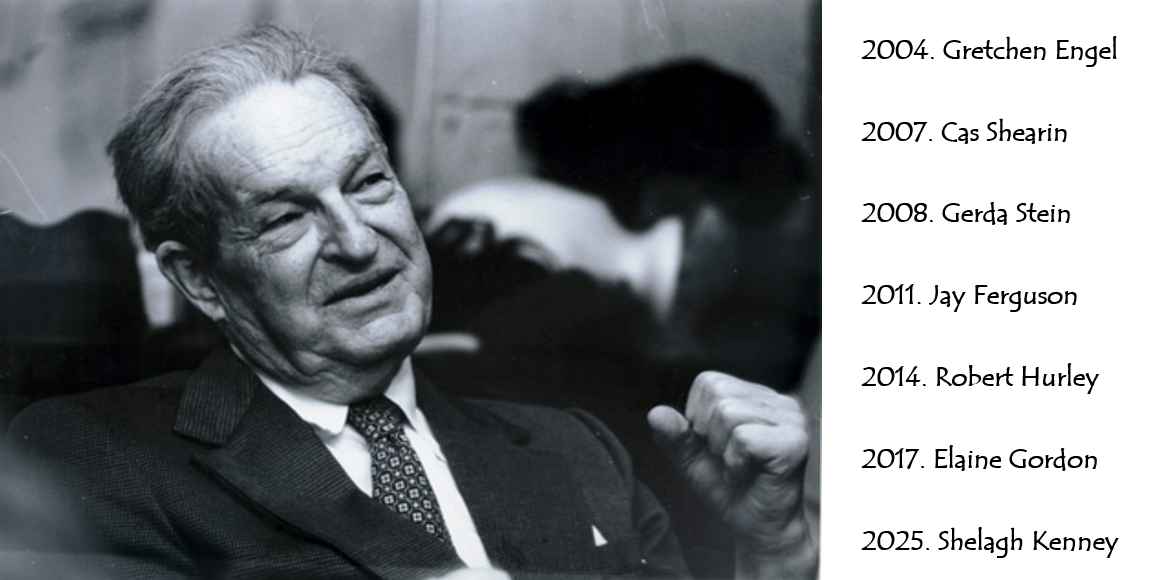
Googling “ACLU-NC Paul E. Green Award” felt like flipping open a CDPL yearbook. Gretchen is our former Executive Director. Cas was an investigator and mitigation specialist. Gerda was our Director of Public Information and a mitigation specialist. Jay is currently on CDPL’s board. Robert and Elaine are former CDPL staff attorneys. And Shelagh? She is our Interim Executive Director.
So what does Paul E. Green, a Pulitzer Prize-winning playwright, educator, and writer have in common with CDPL? Both share a commitment to the vulnerable, a vision for change, and the excellence required to make it happen.

Growing up in North Carolina in the early 1900’s, Green was disturbed by racism and the variety of ways it corrupted society’s institutions, including the criminal legal system. He sought to expose these evils through his work, using the power of narrative to draw attention to injustice. Green took a more direct approach regarding the death penalty, keeping vigils outside the state prison the night before an execution, advocating on behalf of people facing capital punishment, visiting individuals on death row, and lobbying for death penalty abolition. In fact, Green led the fight against the death penalty in North Carolina for nearly half of a century.
In recognition of Green’s campaign against capital punishment, the ACLU-NC established an award in his honor, annually granting it to someone who has made “important contributions to abolish or reform the death penalty.” CDPL’s history with this award is a testament to our longstanding dedication and contributions to North Carolina’s long journey toward abolition.
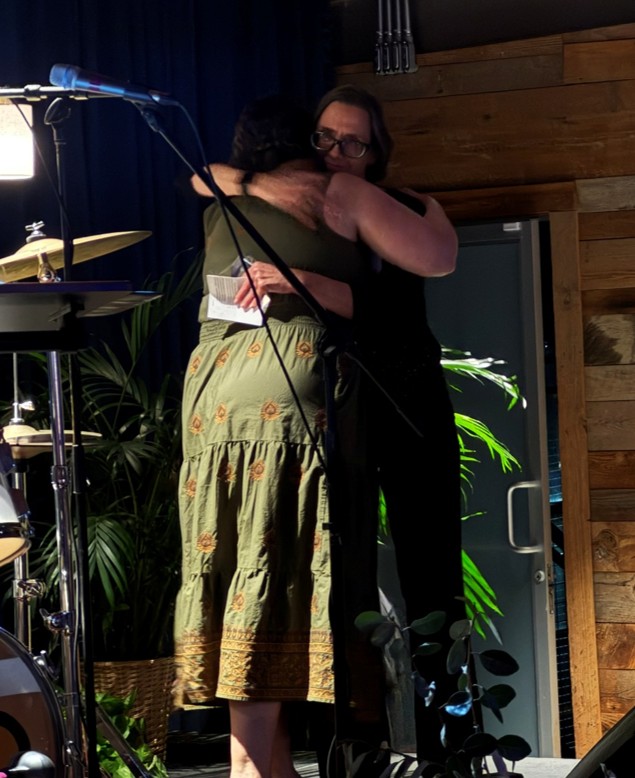
This year’s winner, Shelagh Kenney, has worked at CDPL for almost 25 years. At ACLU-NC’s annual fundraiser this past Thursday, Kristi Graunke introduced Shelagh, recognizing that her tireless and creative advocacy has changed the landscape of capital defense in North Carolina. Graunke, ACLU-NC’s legal director, specifically highlighted Shelagh’s prominent role in the historic Racial Justice Act litigation and the four clients for whom Shelagh helped secure clemency under Governor Cooper. Graunke also lauded Shelagh for the ways in which she has offered mentorship, wisdom, and friendship to North Carolina’s community of civil rights advocates.
Shelagh, in turn, shared her client’s expression of unexpected pride on graduating from a prison program he was only allowed to attend after leaving death row, noting that it was the first time he could remember completing anything. For Shelagh, the ability to help facilitate and witness such change has enabled her to stay in the work and even brought joy in the process. She invited the audience to seek such opportunities to walk alongside incarcerated persons and experience “the wonder of transformation,” both that of the other and of themselves.
I cannot help but interject a personal anecdote here. After several years practicing as a public defender in Philadelphia, I moved to North Carolina to attend Duke Divinity School. My second year at Duke, I interned as a prison chaplain at a state facility, meeting regularly with two individuals on death row. These two frequently talked about their attorneys and the impact they continued to have on their lives, persuading me to set my sights on capital defense after graduation. When I contacted CDPL to inquire about volunteering, Shelagh asked me why I was interested. I of course talked about the attorneys I had heard so much about, though I didn’t know their names or where they worked. As it turns out, one of their names was Shelagh Kenney.
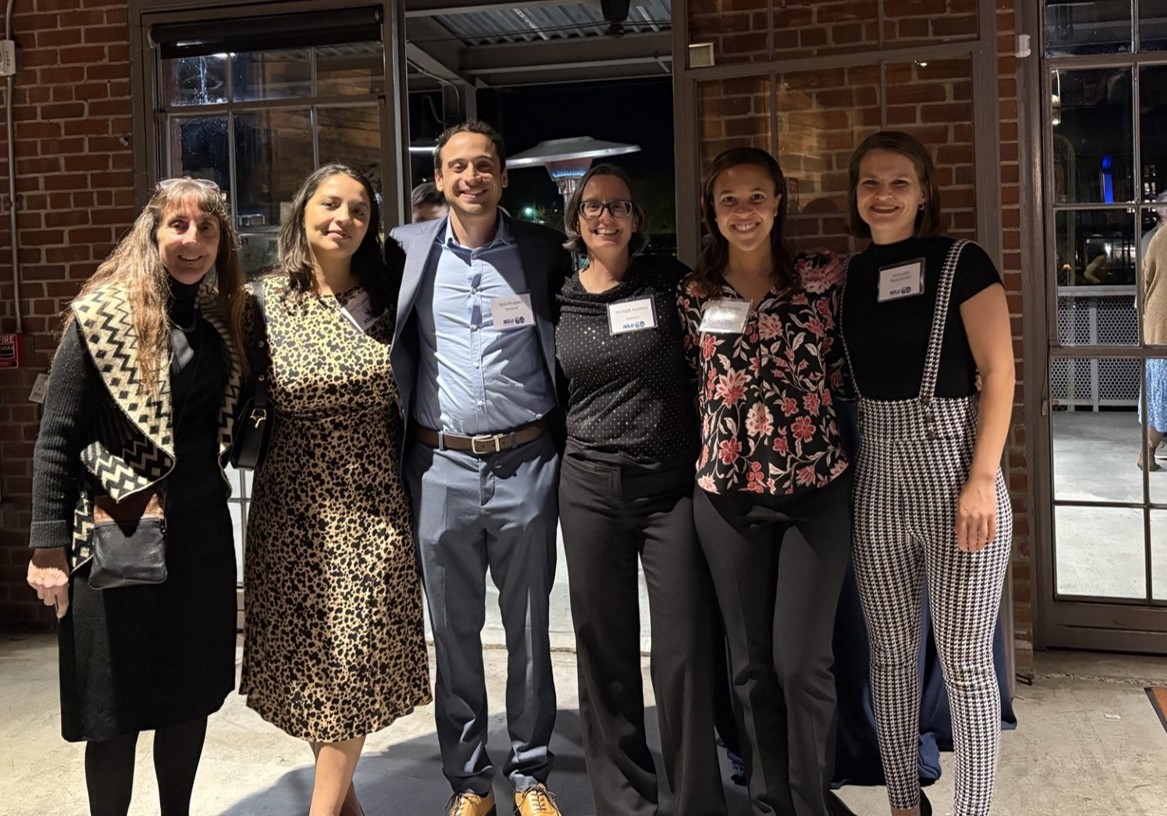
Through Shelagh’s work and genuine interest in the lives of her clients, she has offered a glimpse of what abolition has to offer- healing, growth, and a sense of belonging. And when you experience such a wonder, as she calls it, you can’t help but invite others to join you.
When we look at individuals like Shelagh, Paul E. Green, and so many others that have crossed paths with CDPL, it would appear that there is something inherent to justice, compassion, and empathy that demands to be shared. We are grateful to the ACLU-NC for responding to such a demand by keeping Paul E. Green’s memory alive and consistently recognizing CDPL in our quest to continue his legacy.
